
Loading...
Serving Homestead, FL and surrounding areas. (786) 786-9904
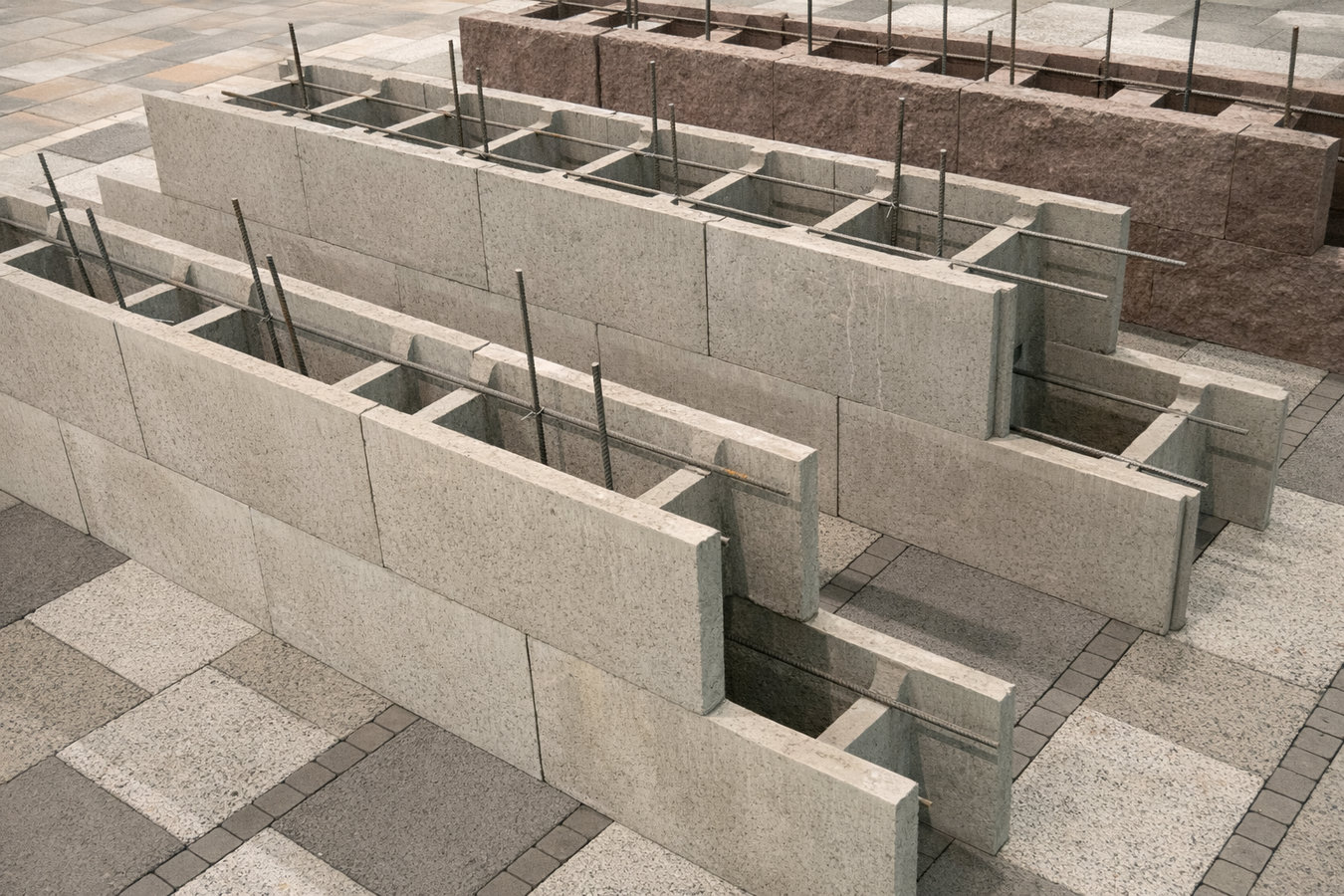
Adding a room, garage, or accessory structure to your Homestead property? We build reinforced concrete block foundation walls that meet Miami-Dade county wind requirements, pass inspection the first time, and protect your investment for decades.
Foundation block wall installation in Homestead involves stacking hollow concrete masonry units on a poured footing, threading vertical steel rods through the cores, and filling them with concrete - all permitted and inspected by Miami-Dade County. Active construction on a standard residential foundation wall typically takes three to seven days once permits are approved.
If you are planning an addition, a detached garage, a workshop, or any enclosed structure on your Homestead property, a properly built foundation wall is the first step - and the one that everything else depends on. Miami-Dade County requires that all new habitable and semi-habitable structures have a permitted, inspected foundation before any framing begins. Skipping this step means the project cannot be legally permitted or covered by your homeowner policy.
Homeowners adding a new structure often find it useful to think about foundation repair on any existing portions of the home at the same time, since the crew and equipment are already on site and addressing both together saves a separate mobilization cost.
Cracks that start at the corner of a window or door frame and run diagonally toward the floor or ceiling often signal that the foundation wall is shifting or settling unevenly. In Homestead, where soil can be a mix of marl and fill material, uneven settling is not uncommon in older neighborhoods. These cracks are worth a professional evaluation before they grow.
That white, powdery residue on the surface of a block wall is efflorescence - mineral salts carried to the surface by moisture moving through the wall. In South Florida, it is a common early warning that the wall waterproofing has broken down. Left alone, it typically means moisture is progressing closer to your interior living space.
When a foundation wall shifts, even slightly, door and window frames above it can rack out of square. A door that used to swing freely now drags, or a window that slid easily now jams. This is especially worth investigating in Homestead homes built in the 1970s and 1980s, when foundation standards were less rigorous than they are today.
Adding a room, garage, workshop, or any enclosed structure to your Homestead property almost certainly requires a new permitted foundation block wall before framing begins. Miami-Dade County requires permitted foundations for all new habitable and semi-habitable structures - skipping this step means the addition cannot be legally insured or sold with the home.
We build new foundation block walls for home additions, detached garages, workshops, and accessory structures throughout Homestead and Miami-Dade County. Every wall includes footing excavation, steel reinforcement placed to hurricane wind-load specifications, a county pre-pour inspection, and a waterproof coating applied before backfill. Homeowners who are expanding their living space often pair foundation work with outdoor kitchen masonry when they are improving both the interior footprint and the backyard at the same time.
We also assess and repair existing foundation walls that show signs of cracking, water intrusion, or settlement. Homestead homes from the 1970s and 1980s often have foundation walls built under older standards, and a professional evaluation can tell you whether a targeted repair is sufficient or whether a section needs to be rebuilt to current code. For homeowners who also need to address the overall structural base of their home, combining this work with foundation repair in a single project often makes sense from both a cost and scheduling standpoint.
Best for homeowners expanding their home with a new room, sunroom, or enclosed porch that requires a permitted foundation before framing can begin.
Best for homeowners building a new detached structure on their property and needing a fully permitted, inspection-ready foundation that meets Miami-Dade wind requirements.
Best for homeowners with visible cracking, moisture staining, or settlement in an existing foundation wall who need a professional to determine whether repair or partial rebuild is the right approach.
Best for property owners building a permitted in-law suite or rental unit who need a foundation wall that satisfies both the county building department and their homeowner policy requirements.
Homestead sits on a thin layer of soil over Miami Limestone and marl, which means excavation for footings can hit rock just a few inches down. A contractor who has not worked in this area before may not factor that into their quote - and the specialized equipment needed to cut through limestone adds time and real cost. Miami-Dade County also has some of the strictest wind-resistance requirements in the country, put in place after Hurricane Andrew devastated Homestead in 1992. Foundation walls here require more steel reinforcement and denser concrete fills than you would find in most other states - and a county inspector verifies that before the concrete is ever poured. For an authoritative look at Florida masonry standards, the National Concrete Masonry Association publishes the technical references that local contractors follow.
The high water table adds another layer of complexity. In much of Homestead, the water table sits very close to the surface - especially during the June-through-October rainy season - which means every foundation wall needs proper waterproofing applied before backfill, not as an afterthought. Homeowners in Florida City face the same soil and water table conditions and benefit from the same approach. Residents in Leisure City also deal with flat terrain and limited natural drainage that can stress older foundation walls over time. We account for all of these conditions on every project we take on in the area.
We respond to all inquiries within one business day. The first conversation covers what you are building, roughly how large it is, and whether you have had any soil or drainage issues on the property - this helps us prepare for the site visit.
We visit your property in person before quoting - Homestead soil conditions vary enough that a phone estimate is not reliable. We assess the lot, check for rock close to the surface, and give you a written quote that accounts for real site conditions. No surprises once work starts.
We handle the Miami-Dade County permit application on your behalf. Approval typically takes two to six weeks depending on county backlog - we track the application and keep you updated so you are never left wondering where things stand.
Once permits are approved, the crew excavates, lays the footing, stacks the blocks, and places the steel. A county inspector verifies the reinforcement before we pour. After the pour, we apply waterproofing and compact the backfill in layers - then walk you through the finished work before we leave.
We visit your Homestead property in person before quoting - no guesswork, no surprise charges once work begins.
(786) 786-9904We manage the permit application, coordinate the pre-pour county inspection, and keep you informed throughout. Miami-Dade County inspectors are thorough - we know exactly what they look for so your project moves forward on schedule without a failed inspection.
Every foundation wall we build in Homestead is reinforced to meet Miami-Dade High-Velocity Hurricane Zone requirements - the strictest wind-load standards in the country. This is verified at inspection and gives you a wall that is designed to hold when storms hit, not just when the weather is calm.
Homestead's high water table and heavy summer rains mean a bare block wall is a moisture problem waiting to happen. We apply a waterproof barrier to the exterior face of every wall we build before backfill - because fixing a waterproofing failure after the soil is back in is far more expensive than doing it right the first time.
We assess your property in person before quoting, so your written estimate accounts for Homestead-specific site conditions - including limestone close to the surface and drainage challenges that can change the scope of excavation. The number on your contract reflects the real job, not a best guess. For licensing standards, the Florida DBPR lets you verify any contractor license before you sign anything.
When you combine permitted work, hurricane-grade reinforcement, and proper waterproofing from the start, your foundation wall protects your home and your investment - not just for the first few years, but for the decades ahead.
Turn your backyard into a permanent outdoor cooking and entertaining space with a custom masonry kitchen built for South Florida weather.
Learn MoreAddress existing foundation cracks, settlement, or moisture damage before they compromise a new structure or addition.
Learn MoreMiami-Dade permit approvals take two to six weeks - the sooner you reach out, the sooner your project can break ground.