Loading...
Serving Homestead, FL and surrounding areas. (786) 786-9904
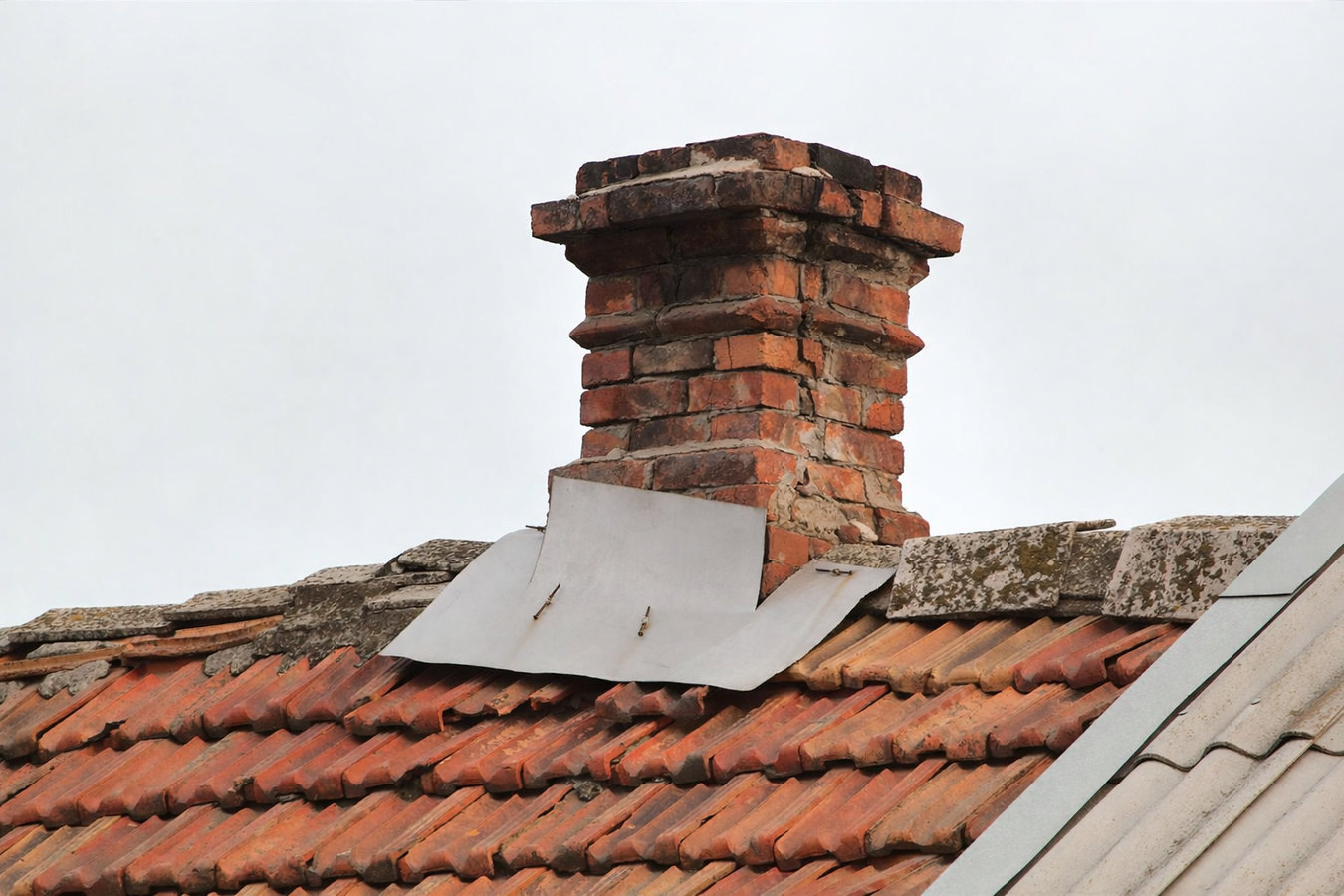
Crumbling mortar, rust stains, and white streaks on the brick are signs your chimney is losing its fight against Homestead's humidity. We repair and restore it before a small problem becomes a big one.
Chimney repair in Homestead, FL addresses everything from replacing a corroded cap and repointing deteriorating mortar to rebuilding a cracked crown - most jobs are completed in one to three days before the problem requires a full rebuild.
Homestead's combination of 60-plus inches of annual rainfall, high humidity, and salt air carried inland from Biscayne Bay makes chimneys here degrade faster than in most other parts of the country. A small crack in the crown or a corroded cap lets water into the structure, and once water is in, the damage spreads quickly through a single rainy season. Many homes in the area were also rebuilt after Hurricane Andrew in 1992, which means a large share of local chimneys are now 30 or more years old - the age when mortar joints and crowns typically start to fail.
Chimney condition is closely connected to other masonry work. If you are scheduling a chimney assessment, it is a good time to also check on tuckpointing on exterior walls, since the same moisture that attacks chimneys works on mortar joints throughout your home.
White or chalky streaks on the brick - called efflorescence - mean water has been moving through the masonry and leaving mineral deposits behind. In Homestead's wet season, this can happen quickly. It means moisture is already working into the structure, not just sitting on the surface.
Rust inside the fireplace usually means the metal cap or damper has corroded and water is getting in from above. Given Homestead's combination of salt air and heavy rainfall, metal components corrode here significantly faster than in inland cities - so this sign tends to appear sooner and should not be ignored.
Step back and look at the chimney from the yard. If you can see gaps between bricks, or the gray material between them looks sandy, cracked, or recessed, the mortar is failing. This is one of the most common issues in homes rebuilt after Hurricane Andrew - those structures are now at the age where mortar naturally begins to break down.
Brown or yellowish stains on the ceiling or the wall behind the fireplace are a clear sign that water is entering through the chimney. This is especially common after Homestead's heavy summer storms, and it often means the crown, cap, or flashing has failed.
The most common repairs involve the crown, cap, mortar joints, and brick facing. The crown is the concrete layer sealing the top of the chimney - when it cracks, water gets in. The cap is the metal cover that keeps rain and animals out - in Homestead's coastal air, caps corrode and need replacement more often than in inland areas. Repointing the mortar - also called tuckpointing - removes old, crumbling material and replaces it with fresh mix, which can add decades to a chimney's usable life.
For homeowners who want to go further, we also handle fireplace installation and full masonry builds when a chimney has deteriorated beyond repair or a homeowner is adding an outdoor or indoor fireplace from scratch.
Best when the crown is cracked, crumbling, or missing - this is often the fastest way to stop water from entering the chimney.
Right for homes where the metal cap or the flashing around the chimney base has corroded - common in Homestead due to salt air and heavy rainfall.
Best for chimneys where the gray material between bricks has eroded or cracked - this restores the seal and prevents water from working into the masonry.
For chimneys where brick faces are flaking or crumbling - replacing damaged bricks before the problem spreads limits the overall cost of repair.
Salt particles carried inland from Biscayne Bay and the Atlantic coast settle on masonry and metal surfaces year-round. A metal chimney cap that might last 15 years in a dry inland climate can show serious corrosion in 7 to 10 years in Homestead. The Florida Building Code also has Miami-Dade-specific requirements that are stricter than the statewide standard, designed to handle hurricane-force winds. Any structural chimney repair that requires a permit here will be reviewed and inspected against those standards.
Because Homestead rarely calls for a wood fire, many homes here have gas fireplaces or purely decorative masonry chimneys - but those still need attention. Gas appliances produce moisture and corrosive byproducts, and decorative chimneys take on water through any crack in the crown or cap just the same. Homeowners in communities near Cutler Bay and those closer to Palmetto Bay all deal with the same coastal conditions.
We respond within 1 business day. A real person asks how old the chimney is, what you have noticed, and when it was last inspected. We do not give prices over the phone without seeing the chimney first.
We inspect the chimney from both the ground and the roof, and may use a camera to look inside the flue. The visit typically takes 30 to 60 minutes. At the end, we walk you through what we found in plain language and explain what needs repair and why.
You receive a written estimate that reflects the actual scope of work. For structural repairs in Homestead, we handle any required permit through Miami-Dade County - you do not need to navigate the permit office yourself.
Most repairs are done in one to three days. The crew cleans up before leaving each day. Fresh mortar and crown material needs 24 to 72 hours to cure - in Homestead's humidity, your contractor may advise waiting a bit longer before the first use of the fireplace.
We respond within 1 business day. The inspection is free, and there is no obligation after we assess your chimney. Once you submit, someone from our office reaches out to schedule a time that works for you.
(786) 786-9904Florida requires a state license for contractors performing structural masonry repairs. We carry that license and pull permits on jobs that require them - so the finished work is inspected, documented, and tied to your property record.
Salt air from Biscayne Bay accelerates corrosion on metal components and degrades standard materials faster than most contractors plan for. We select caps, flashing, and sealants suited to South Florida's coastal environment from the start - not as an upgrade you have to ask for.
We do a thorough inspection before quoting you anything, so the number we give you reflects the actual work your chimney needs - not a lowball figure designed to get us in the door. No surprises halfway through the job.
Miami-Dade County has some of the strictest building standards in the country, specifically designed around hurricane-force winds. Permitted chimney work here passes county inspection - which protects your home's value and keeps your insurance records clean.
The Chimney Safety Institute of America recommends having your chimney inspected at least once a year, regardless of how often you use it. In Homestead's climate, that recommendation carries extra weight - even a single rainy season can turn a minor crack into a major water damage problem if it goes unaddressed.
The same mortar joint failure that shows up on chimneys often affects exterior brick walls - tuckpointing restores the seal across the whole structure.
Learn MoreWhen a chimney is beyond repair or you are adding a new fireplace, our masonry team builds from the ground up for indoor and outdoor applications.
Learn MoreEvery wet season that passes with a damaged chimney means more water inside the masonry - call Homestead Concrete & Masonry now for a free estimate.